


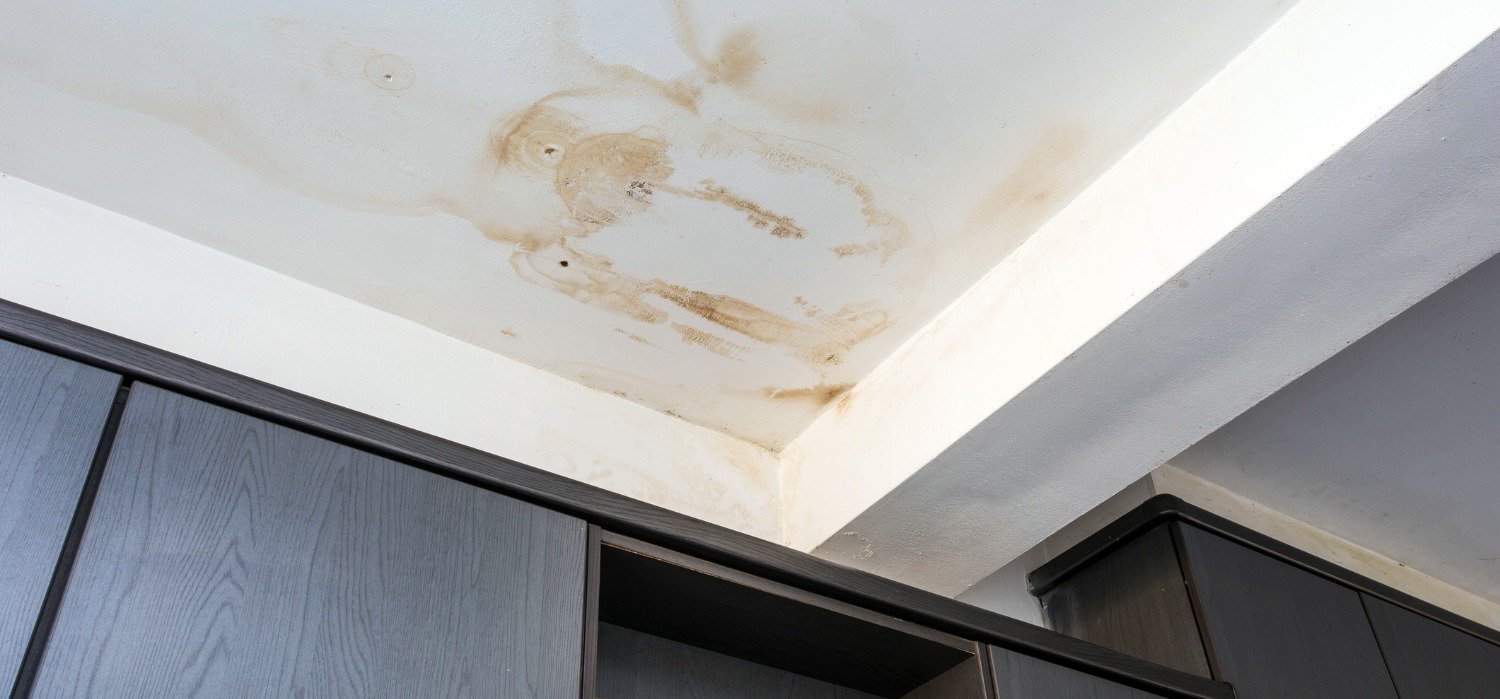
Moisture in your attic can be alarming. Many homeowners assume it is a roof leak, but that is not always the case. In many homes, attic condensation can mimic the appearance of a leak and lead to concerns about moisture damage, mold, and mildew.
Knowing the difference between attic condensation and a roof leak can help you identify the problem early and protect your home.
Why Does Attic Condensation Happen?
Attic condensation often develops during the winter and spring when warm, humid air from inside the home rises into the attic. When that warm air meets the cold underside of the roof deck, condensation forms.
It is the same process that causes a cold drink to sweat on a warm day.
In colder weather, that moisture may freeze and form frost. While frost itself may not seem like a problem, it can melt as temperatures rise and create moisture issues such as wood rot, mold, and damage to attic materials.
What Causes Attic Condensation?
There can be several causes of attic condensation, including:
- Poor attic insulation
- Inadequate attic ventilation
- Bathroom exhaust vents improperly routed into the attic
- Dryer vents discharging into the attic
- Air leaks that allow warm, humid indoor air to enter the attic
Because several issues can contribute to condensation, it is not always easy for homeowners to pinpoint the exact cause without a professional evaluation.
How to Identify Attic Condensation
One of the main differences between attic condensation and a roof leak is the pattern of moisture.
Roof leaks are usually localized. They often appear around a single problem area, such as a vent, flashing detail, chimney, or roof penetration.
Attic condensation is often more widespread and may affect larger sections of the attic.
Signs of attic condensation may include:
- Water trickling down walls
- A musty or damp odor
- Mold or mildew
- Rust
- Dark staining
- Damp insulation
- Wet wood
- Water marks on the attic floor
- Moisture on windows or other flat surfaces
- Damaged or wet roof sheathing
- Widespread nail pops
If the issue appears in several areas of the attic rather than one isolated location, condensation may be the cause.
How to Stop Condensation in Your Attic
Because attic condensation can be caused by more than one issue, the solution may require a combination of improvements.
Reduce air leakage into the attic
Check for gaps, cracks, and failed caulking around penetrations or vents that may allow warm indoor air to escape into the attic.
Improve attic insulation and ventilation
Poor ventilation can trap humid air in the attic. Make sure vents are open, functioning properly, and not blocked by insulation.
Make sure bathroom and dryer vents are routed outside
If bathroom or dryer vents terminate inside the attic instead of outdoors, excess moisture can build up quickly. These vents should always discharge outside the home.
Need help identifying attic moisture issues?
If you are dealing with attic condensation or think you may have a roof leak, it helps to have an expert evaluate the problem. Pickard Roofing provides residential roof maintenance and roofing services in Raleigh, Durham, Chapel Hill, and across the Triangle.
If you need help identifying the cause of attic moisture or want to protect your roof with expert maintenance, call us today.
At Pickard Roofing, we think Design. Craft. Renew. We are experienced in all types of roofing systems- and provide the right roofing design and selective craftsmanship for renewing our customer’s assets. We invite sustainable building customers to give us a call for your free evaluation. For over 90 years Pickard Roofing Company has installed countless metal, tile, slate, TPO, EPDM, and all types of shingle roofing in the Triangle. Our services include residential, commercial, custom architectural metal fabrication, and historical renovation.