
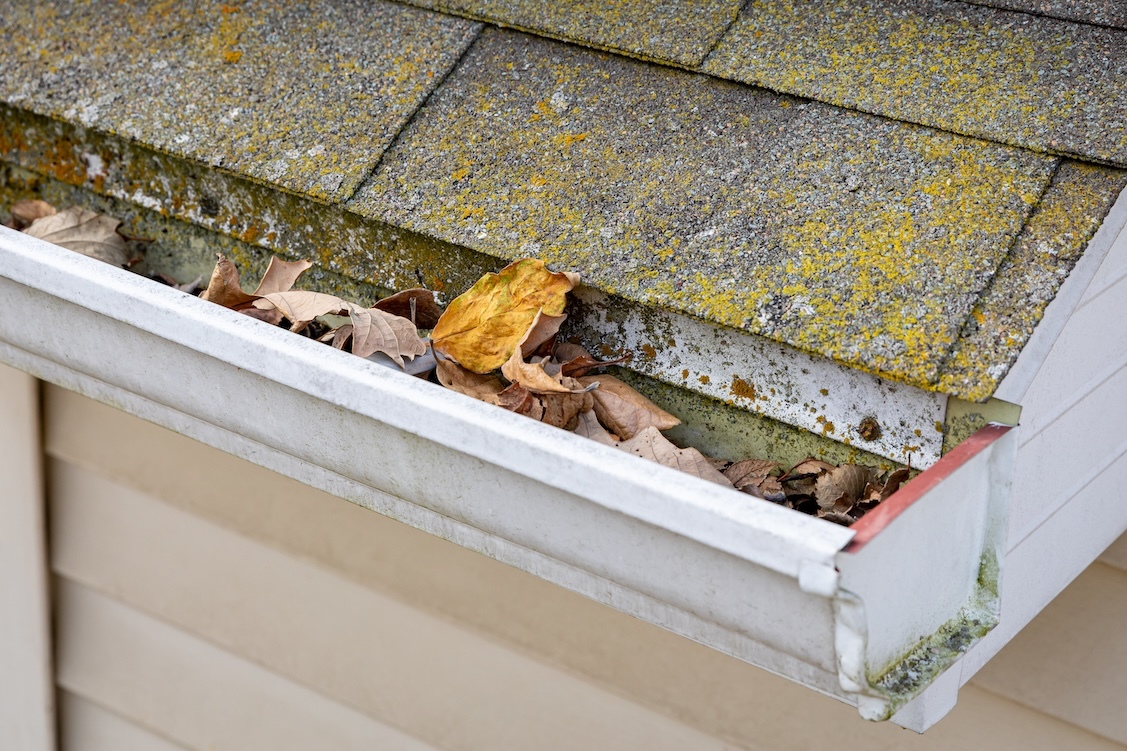
If you are seeing black streaks, green patches, or dark staining on your roof, the issue may be mold, algae, or mildew. While these types of growth are often mistaken for a cosmetic problem, they can signal excess moisture and contribute to premature roof wear.
In North Carolina’s warm, humid climate, roofs are especially vulnerable to this kind of buildup. Knowing what to look for and how to respond can help protect your shingles and extend the life of your roof.
How to spot mold or algae on your roof
Mold, algae, and mildew can appear differently, but all may indicate that moisture is lingering on the roof.
Common signs include:
- Black streaks or dark staining on shingles
- Green patches, especially on shaded areas of the roof
- Fuzzy or powdery growth on the shingle surface
- Water staining in the attic or on upper-level ceilings
- Granule loss associated with moss, algae, or prolonged moisture exposure
If you’re unsure what’s growing, use a roof mold and algae identification guide to help identify it and stop it before it spreads further or a professional roof inspection can help identify the problem and determine whether the roofing system has been affected.
What Causes Mold and Algae Growth on NC Roofs?
Roof mold and algae growth often develop when moisture stays on the roof surface for long periods of time. In North Carolina, several common conditions can contribute to the problem:
- Shade from nearby trees
- Debris buildup from leaves and branches
- Poor roof drainage or clogged gutters
- Inadequate attic ventilation
- Aging shingles with reduced resistance to organic growth
Even a well-built roof can develop these issues if routine maintenance is delayed.
Why Roof Mold Is More Than Just A Cosmetic Issue
Discoloration on the roof may not seem urgent at first, but mold and similar growth can contribute to larger problems over time.
Potential concerns include:
- Premature aging of roofing materials
- Trapped moisture against the roof surface
- Damage to shingles and underlying roof components
- Reduced curb appeal and resale value
- Possible indoor air quality concerns if moisture issues spread into the attic
When left unaddressed, what starts as staining can lead to more extensive roof maintenance or repair needs.
To avoid these risks, see how we help protect Triangle homes from roof damage through preventative maintenance and expert repair services.
How to stop roof mold and protect your shingles
Step 1: Schedule a professional inspection
A roofing professional can determine whether you are dealing with mold, algae, mildew, moss, or another issue and recommend the right solution.
Step 2: Clean the roof the right way
Avoid pressure washing asphalt shingles. High-pressure cleaning can remove protective granules and shorten the life of the roof. Safer roof cleaning methods are typically the better choice. The Asphalt Roofing Manufacturers Association provides best practices for algae and moss control on asphalt shingles.
Step 3: Improve airflow and drainage
Trim back overhanging branches, clean gutters, and make sure the attic is properly ventilated. Reducing trapped moisture is one of the best ways to prevent future growth.
Step 4: Consider algae-resistant shingles for future protection
If your roof is nearing the end of its life, algae-resistant shingles may help reduce future staining and improve long-term performance. Learn about algae-resistant and other composition shingle options if you’re planning a replacement or upgrade.
When to Call Pickard Roofing
It may be time to contact a roofing professional if:
- Mold or algae continues to return
- Growth is appearing near flashing, skylights, or penetrations
- Shingles are curling, buckling, or losing granules
- Your roof has not been inspected in several years
- You are seeing signs of moisture inside the attic or home
Schedule your free consultation in the Triangle area to get clarity on your roof’s condition and what steps to take next.
Frequently Asked Questions
Will insurance cover mold removal on my roof?
Typically no. Most insurance policies consider mold growth a maintenance issue. Regular inspections can help prevent expensive repairs later.
Is roof mold dangerous to health?
It can be. If spores reach the attic or enter HVAC ducts, they may impact air quality and worsen respiratory issues. It’s best to resolve mold issues early.
Can you prevent mold after replacing the roof?
Yes. Proper ventilation, improved slope design, and modern shingle technology all help prevent future growth. Learn more on our roof maintenance page.
Don’t Let Mold Win
Roof mold, algae, and mildew are often early signs that moisture is not draining or drying the way it should. Addressing the issue early can help preserve the life of your roofing system and protect your home from larger problems.
Pickard Roofing helps Raleigh and Durham homeowners preserve the life of their roofing systems by spotting and solving problems early. From evaluation to algae-resistant solutions, our team is here to protect your home.
Think you’ve spotted mold? Call us at 919-682-5702 or schedule your free roof evaluation. We’ve got you and your shingles covered.