


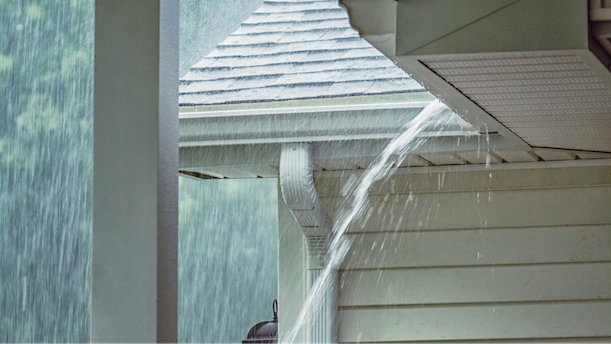
Most homeowners do not think about their roof until something obvious happens. A leak appears on the ceiling. Shingles land in the yard. A storm rolls through and suddenly the roof looks different than it did the day before.
But many roofing problems start long before water drips into the house. The early signs can be subtle: a few missing granules, a lifted shingle, a stain in the attic, or gutters that overflow every time it rains.
For homeowners in Raleigh, Durham, Chapel Hill, Cary, Apex, and surrounding Triangle communities, catching roof warning signs early can help prevent bigger repairs later. Heat, humidity, storms, tree cover, and heavy rain can all speed up roofing wear, which makes it important to know what your roof may be trying to tell you.
Quick Answer: What Roof Warning Signs Should Homeowners Never Ignore?
Homeowners should never ignore roof warning signs that point to water intrusion, storm damage, aging materials, or poor drainage.
Common warning signs include:
- Missing, lifted, or cracked shingles
- Ceiling stains or attic moisture
- Granules collecting in gutters
- Sagging or uneven rooflines
- Damaged flashing around chimneys, vents, or skylights
- Clogged or overflowing gutters
- Moss, algae, or debris buildup that holds moisture
The National Roofing Contractors Association recommends homeowners inspect roof systems at least twice per year, preferably in spring and fall, and after severe weather events. Regular inspections can help spot small issues before they become major roof repairs.
Missing, Lifted, or Cracked Shingles
Shingles are one of the easiest roof problems to notice from the ground, but the damage is not always as obvious as a fully missing patch.
Sometimes wind lifts the edge of a shingle and breaks the seal. Sometimes shingles crack from age, heat, or storm stress. Other times, the shingle is still attached but curled, creased, or no longer lying flat. These smaller issues can still expose the roof to water over time.
A missing shingle may seem like a simple cosmetic issue, but shingles are part of the roof’s water-shedding system. When one area is compromised, rain can find its way under the surface and affect the materials below.
If you notice missing, loose, or damaged shingles, it is worth getting the roof checked before the next storm. Learn the early warning signs of roof deterioration so you know when small shingle issues may be pointing to a larger problem.
Ceiling Stains or Attic Moisture
A brown ceiling stain is one of the clearest signs that water has made its way inside. But interior roof leaks do not always start with a dramatic drip.
Sometimes the first clue is a faint stain near a ceiling corner, a musty smell in the attic, damp insulation, or discoloration around a vent, chimney, or skylight. Water can travel along beams, insulation, or drywall before it shows up in a visible spot, which means the source may not be directly above the stain.
This is one of the biggest reasons homeowners should not wait to investigate moisture. A small roof issue can turn into damaged insulation, stained drywall, wood rot, or mold-related concerns if it continues through repeated rain.
See what small roof problems can turn into when moisture gets inside and repairs are delayed.
Granules Collecting in Gutters
Asphalt shingles have protective granules that help shield the roof from sun exposure and wear. Some granule loss is normal over time, especially on an older roof. However, heavy granule buildup in gutters or downspouts can be a warning sign.
Granules may collect after hail, wind, foot traffic, or years of weather exposure. When shingles lose too many granules, they may become more vulnerable to heat, UV rays, cracking, and water damage.
Homeowners may notice what looks like coarse sand inside the gutters or near the downspout splash blocks. If the roof is newer and you see a large amount of granules, or if the granule loss appears suddenly after a storm, it is smart to schedule an inspection.
This is especially important in the Triangle, where storms, humidity, and hot summers can all add stress to roofing materials over time.
Sagging or Uneven Rooflines
A roofline should look straight and stable. If part of the roof appears to dip, sag, wave, or bow, that should not be ignored.
Sagging can point to trapped moisture, damaged decking, structural stress, or long-term roof system issues. It may also happen when water has been entering the roof for a while and weakening the materials below the surface.
This is not a warning sign to diagnose from the ground or try to fix yourself. If your roofline looks uneven, a professional should evaluate it. A sagging section may require more than a surface repair, especially if decking or structural components are involved.
The sooner the issue is inspected, the clearer your options usually are.
Damaged Flashing Around Chimneys, Vents, or Skylights
Flashing protects some of the most vulnerable parts of the roof. It is installed around areas where the roof meets another surface or where something penetrates the roof, such as chimneys, walls, vents, skylights, and plumbing pipes.
When flashing is bent, rusted, loose, cracked, or poorly sealed, water can slip into places that shingles alone cannot protect. Many roof leaks start around flashing because these areas naturally handle more water movement and more transitions. FEMA notes that roof systems include roof coverings, edges, drainage, vents, and other openings that all help protect the home from water entry.
After a storm, homeowners may notice lifted metal, missing sealant, or water stains near a chimney or skylight. Even small flashing issues can create recurring leaks if they are not corrected.
If you have had the same leak repaired more than once, flashing may be part of the problem. Explore Pickard Roofing’s roofing services for repairs, inspections, and long-term roof protection across the Triangle.
Clogged or Overflowing Gutters
Gutters are not technically the roof, but they play a major role in protecting it. When gutters clog with leaves, pollen, pine needles, shingle granules, or roof debris, water cannot drain properly.
Instead, water may overflow, back up toward the roofline, or spill down the siding. Over time, this can contribute to fascia damage, soffit issues, foundation moisture concerns, and roof-edge problems.
Overflowing gutters during a rainstorm are easy to ignore if the inside of the home is still dry. But poor drainage can quietly wear on the roof system and the areas around it.
This is especially common for homes with heavy tree coverage in Raleigh, Durham, and Chapel Hill. Read Pickard Roofing’s roof maintenance tips to see why gutters, drainage, and debris removal matter so much.
Moss, Algae, or Debris Buildup
Dark streaks, moss, algae, and piles of organic debris may look like surface-level problems, but they can signal moisture issues.
Algae staining is common in humid climates, and moss or debris can hold moisture against the roof surface. Leaves, pine needles, and pollen often settle in valleys, around chimneys, behind skylights, and along shaded roof sections. When those areas stay damp, shingles may wear faster.
This kind of damage usually builds slowly. It may start as discoloration or a small collection of debris, then turn into clogged gutters, damp valleys, or trapped moisture around flashing.
The best approach is to keep the roof and drainage paths clear, especially after heavy pollen seasons, storms, or long stretches of wet weather. If buildup has been sitting for a while, a professional inspection can help determine whether it is only a maintenance issue or the start of real roof damage.
Why Waiting Can Make Roof Problems Worse
Roof warning signs rarely fix themselves. A lifted shingle will not reseal properly just because the sun comes out. A ceiling stain will not disappear if the leak source is still active. Clogged gutters will not protect the roof during the next heavy rain.
Waiting can allow water to move deeper into the roof system, turning a smaller repair into a larger project. It can also make it harder to determine exactly when the damage started, which may matter if insurance questions come up after a storm.
The goal is not to panic over every roof concern. The goal is to respond when the roof is giving you a clear warning sign.
Know When to Call a Roofing Professional
Some roof issues can be watched for a short time, but others should be checked quickly. Missing shingles, interior water stains, sagging rooflines, damaged flashing, heavy granule loss, and repeated gutter overflow all deserve attention.
Homeowners should avoid climbing onto the roof themselves, especially after a storm or when surfaces are wet. A professional inspection can safely identify whether the issue is minor, urgent, or part of a larger roofing problem.
For homeowners in Raleigh, Durham, Chapel Hill, Cary, Apex, and surrounding Triangle communities, Pickard Roofing can help evaluate roof warning signs and recommend the right next step.
If you have noticed missing shingles, ceiling stains, clogged gutters, storm damage, or other signs of roof trouble, contact Pickard Roofing to schedule a roof evaluation before a small issue turns into a bigger repair.