


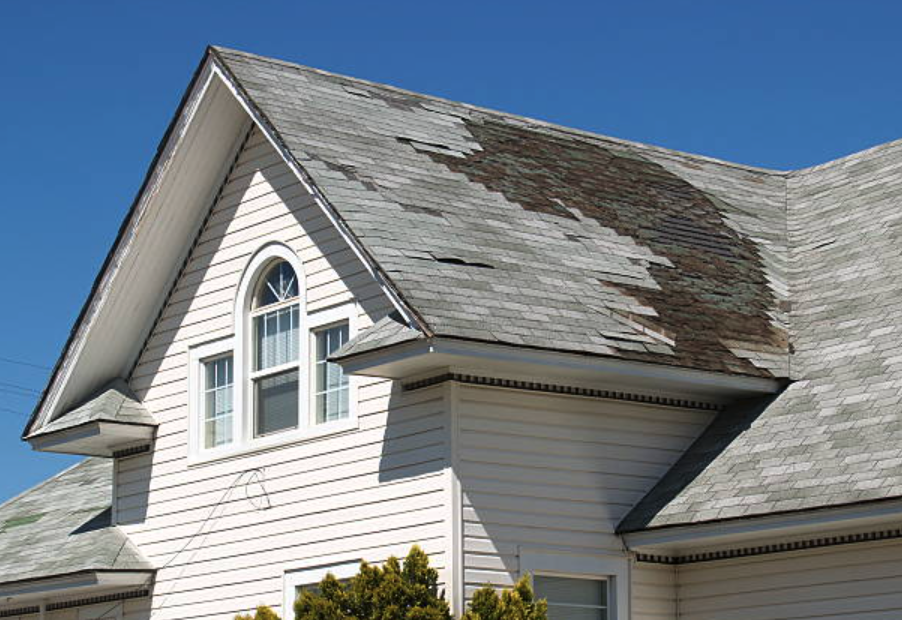
After a major storm, most homeowners look for the obvious damage first: missing shingles, fallen branches, or water dripping from the ceiling.
But storm damage is not always easy to spot from the ground. A roof can take on wind, rain, hail, and flying debris in one event, and not all of that damage shows up right away. Sometimes a storm loosens shingles, bends flashing, dents gutters, or creates small openings that do not become visible until the next round of rain.
For homeowners in Raleigh, Durham, Chapel Hill, Cary, Apex, and surrounding Triangle communities, knowing what to check after severe weather can help prevent small storm problems from turning into expensive roof repairs.
Here’s what to look for after a major storm, what to document, and when it may be time to call a professional roofer for a closer inspection.
Quick Answer: What Should Homeowners Check After a Major Storm?
After a major storm, homeowners should safely check for visible signs of roof, gutter, and interior water damage. That includes:
- Missing, lifted, or creased shingles
- Dented flashing, vents, or gutters
- Fallen branches and debris on the roof
- Granules collecting in gutters or downspouts
- Water stains in the attic or on ceilings
- Siding, fascia, or gutter damage near the roofline
FEMA recommends documenting damage after severe weather with photos and videos before discarding damaged items or beginning cleanup. If you notice anything that looks new after the storm, take photos from a safe place before moving debris or making temporary repairs.
Start With What You Can See Safely From the Ground
The first step after a storm is a visual check, not climbing onto the roof. Wet shingles, loose debris, and hidden damage can make a roof unsafe, even if it looks stable from below.
Walk around the house from a safe distance and look for changes to the roofline, gutters, flashing, and areas where debris may have hit. Missing shingles, bent gutters, tree limbs on the roof, pieces of flashing on the ground, or roofing material in the yard are all signs that your roof may need a closer look.
Even if the roof looks mostly intact, nearby damage can still point to roofing problems. For example, a large branch in the yard may have scraped the roof before landing. Detached gutter sections may suggest heavy water flow, debris impact, or hidden roof-edge damage.
If something looks off, explore our roofing services for storm damage inspections, repairs, and long-term roof protection across the Triangle.
Check for Missing, Lifted, or Creased Shingles
Wind damage does not always rip shingles completely off. Sometimes it loosens them, lifts the edges, or creates creases that weaken the shingle. These smaller issues are easy to miss from the ground, but they can still make future leaks more likely.
A lifted shingle may settle back down after the storm, making the roof look fine at a glance. The problem is that the seal may already be compromised. Once that happens, the next round of wind or rain can make the damage worse.
Creased shingles are another concern. When wind bends a shingle backward, it can leave a visible line or weak point. Even if the shingle is still attached, it may not protect the roof the way it should.
If you are not sure whether your roof has early storm damage, read our guide on roof repair or replacement to better understand when damage may be minor and when it may point to a bigger issue.
Look for Signs of Hail or Impact Damage
Hail and flying debris can leave dents, bruising, or surface damage on roofing materials and metal components. Homeowners may also notice fresh dings on gutters, flashing, vents, downspouts, or other soft metals after a major storm.
The Insurance Institute for Business & Home Safety explains that hail-damaged shingles can become more vulnerable to water leakage. That matters because hail damage does not always look dramatic from the ground. It may show up as dents, cracked shingle tabs, displaced granules, damaged vents, or marks around roof penetrations.
This is especially important after storms that bring both hail and wind. Hail may weaken the roof surface, while wind can loosen shingles or push rain into areas that are already vulnerable. Together, they can create roof problems that are easy to miss until the next heavy rainfall.
Because hail and impact damage can be subtle, a professional inspection is often the safest way to know whether the roof needs repair.
Pay Attention to Gutters and Downspouts
Gutters often show storm damage early because they catch both runoff and debris. If they are clogged, pulling away, bent, or overflowing after the storm, that can point to drainage issues and possible roof damage above.
Granules collecting heavily in gutters can also be a warning sign. Asphalt shingles naturally lose some granules over time, but a sudden heavy amount after hail, wind, or debris impact may mean the shingles took a hit.
Gutter problems should not be brushed off as minor. When gutters cannot move water properly, water may overflow near the roof edge, fascia, siding, and foundation. That can turn a roof drainage issue into a larger home maintenance problem.
Read Pickard Roofing’s roof maintenance tips to see why gutters, drainage, and debris removal matter so much after severe weather.
Check the Attic and Ceilings for Early Signs of Water Intrusion
One of the most important post-storm checks happens inside the house. Even when roof damage is not visible outside, new moisture may show up in the attic, on ceiling drywall, or around vents and skylights.
Look for new ceiling stains, damp attic insulation, musty smells, dripping during or after rain, or discoloration around vents, skylights, and roof penetrations. These signs do not always mean there is a major leak, but they do mean water may be getting somewhere it should not.
Catching these clues early can help prevent a minor storm issue from turning into a larger interior repair. A small opening around flashing or lifted shingles may only show itself during certain wind and rain conditions, which is why checking after a storm is so important.
See what common roofing issues in the Triangle can turn into when moisture, drainage problems, and delayed repairs start working against your roof.
Fallen Branches and Debris Can Cause More Than Surface Damage
A branch on the roof does not have to punch through the decking to be a problem. Heavy debris can scrape shingles, damage flashing, block drainage, or create pressure points that weaken the roof surface.
After a major storm, any debris left sitting on the roof should be treated as a concern until the area can be checked safely. Leaves, twigs, and branches can also collect in valleys and gutters, slowing water flow after the storm has passed.
The National Weather Service notes that severe thunderstorms can bring damaging winds and hail, both of which can cause exterior damage around the home. Even if the roof appears intact, debris impact can leave behind damage that needs a closer inspection.
If there are large limbs on the roof, avoid trying to remove them yourself. Branches can be heavier than they look, and pulling them the wrong way may cause more shingle or gutter damage. It is safer to have the roof checked before cleanup begins.
Do Not Assume “No Leak” Means “No Damage”
One of the biggest mistakes homeowners make after a storm is waiting for a leak before taking action.
By the time water shows up inside, the roof may already have been compromised for days or weeks. A storm can loosen materials, damage flashing, shift shingles, or create small openings that do not become obvious until the next rainfall.
This is especially true in the Triangle, where repeated rain, humidity, heat, and seasonal storms can make minor damage worse over time. A roof may survive one storm and still be more vulnerable during the next one.
If your home has gone through strong wind, hail, or heavy debris impact, it is worth taking a closer look even if everything seems fine from the driveway. Our post on restoring your roof after a storm explains why fast attention after severe weather can help prevent bigger roofing issues later.
Document What You See
Once it is safe, take photos of visible damage. This includes roofline issues, fallen limbs, gutter damage, interior stains, debris impact areas, and any materials that came off the roof.
Good documentation can help if insurance questions come up later. It also gives a roofing company a better starting point during the inspection. Try to capture wide shots of each side of the house as well as closer photos of visible damage from a safe location.
Do not put yourself at risk for a photo. If damage is only visible from the roof, leave that part to a professional. A safe photo from the yard is much better than climbing onto wet or damaged roofing materials.
Know When to Call for a Professional Inspection
If the storm included strong wind, hail, fallen debris, or visible damage near the roofline, it makes sense to have the roof checked. Some storm damage is subtle enough that homeowners will not spot it from the ground, but it can still create problems later.
A professional inspection can help determine whether the roof needs a small repair, more involved storm restoration, or simply continued monitoring. It can also help identify issues around flashing, valleys, gutters, vents, and shingles before water has a chance to move farther into the home.
If your home may have taken damage during severe weather, contact Pickard Roofing to schedule a post-storm roof inspection.
The Right Storm Check Can Prevent Bigger Repairs Later
A major storm does not have to leave a hole in the roof to cause real trouble. Sometimes the most important damage is the kind that starts small, hides well, and gets worse with the next rainfall.
Checking safely from the ground, looking for shingle and gutter damage, reviewing the attic and ceilings, documenting what you see, and scheduling a professional inspection can help protect your home after severe weather.
For storm damage roofing in the Triangle, Raleigh roof inspections after a storm, or help figuring out whether your roof needs repair, contact Pickard Roofing to get a professional look before small damage becomes a bigger repair.
At Pickard Roofing, we think Design. Craft. Renew. We are experienced in all types of roofing systems- and provide the right roofing design and selective craftsmanship for renewing our customer’s assets. We invite sustainable building customers to give us a call for your free evaluation. For over 90 years Pickard Roofing Company has installed countless metal, tile, slate, TPO, EPDM, and all types of shingle roofing in the Triangle. Our services include residential, commercial, custom architectural metal fabrication, and historical renovation.